


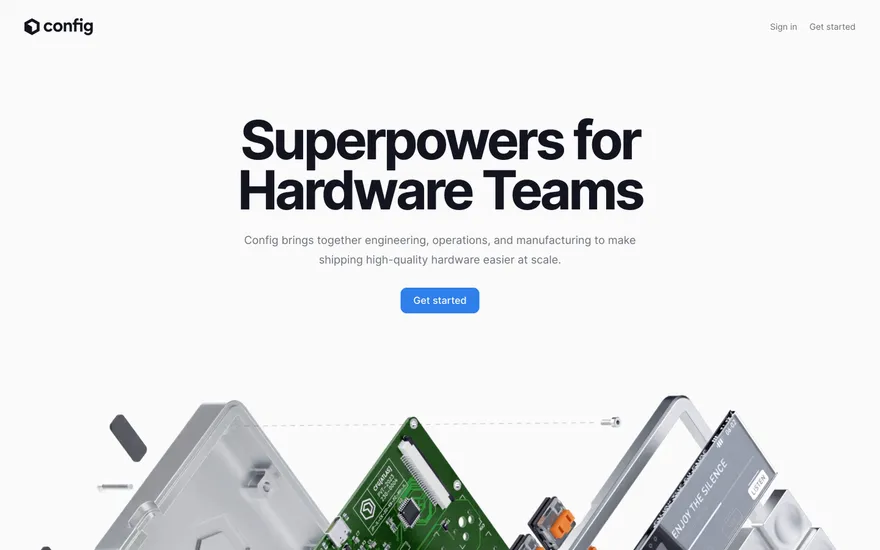
Config Hardware-team page with direct, plain copy. Visit ↗
BYOB New inbox in every project
A portfolio does one job: show your best work and make it easy to hire you. That fits naturally on a site, and BYOB OnePage generates the structure so you can spend your time choosing images rather than fighting a layout.
Runs on the stack you trust
Prompt to product
Compare the one-line brief with what BYOB ships. Real layout, data, and deploy status, editable from the same workspace.
Team Tasks
Shared task tracking
Drag the handle. Or focus it and use the arrow keys.
Get inspired
Real sites that do it well. Build something like this with BYOB.
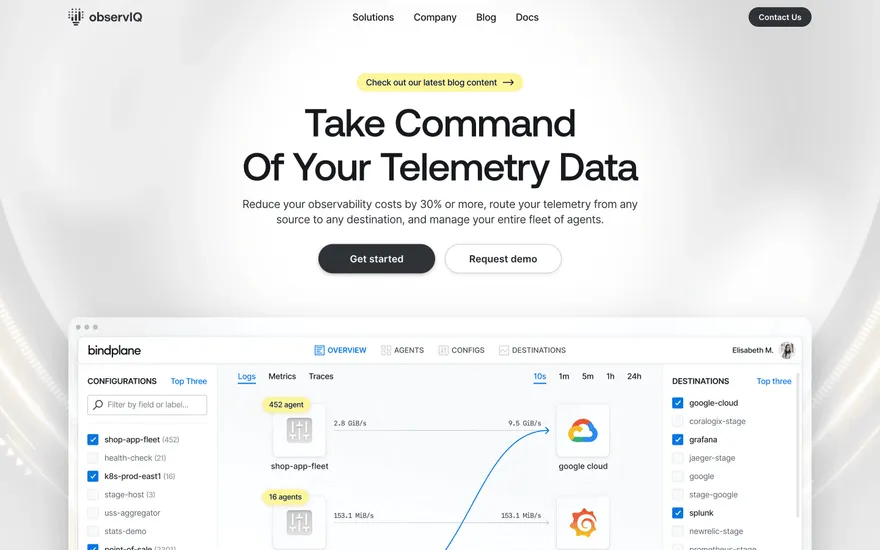
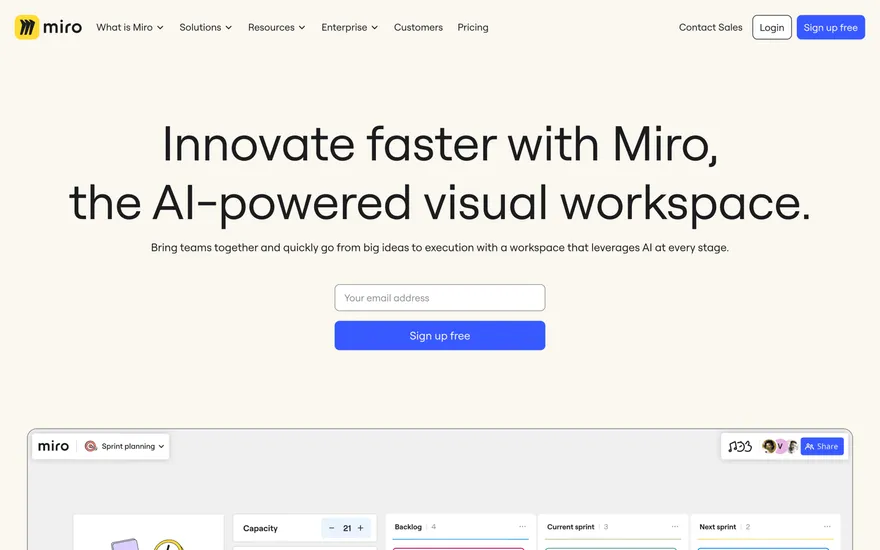

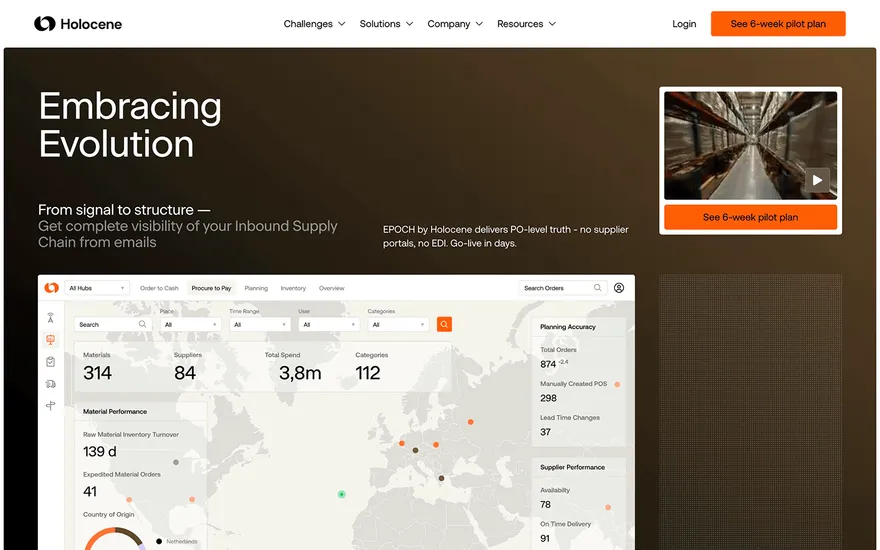
Fresh from the community
See what builders ship, or start from an example.
Live workspace
The workspace is built for repeated product work, not disposable demos. Every generated file stays inspectable, every change is visible, and every follow-up can target the exact part of the app you care about.
01 · EDITOR
Every file BYOB writes stays visible and editable. Follow-ups target the exact lines you care about instead of regenerating from scratch.
<script lang='ts'>type Task = { id: string; title: string; done: boolean
}let tasks = $state<Task[]>([])function toggleTask(id: string) {task.done = !task.done // just added by BYOB}</script>02 · AI COMMAND
Describe the outcome once. BYOB turns it into a build plan, implements it step by step, and keeps every change visible while you iterate.
Your prompt
“Build a todo app for beginners”
Build plan
80%03 · LIVE PREVIEW
The preview updates as BYOB works, with deploy status attached, so the path from edit to production stays inspectable.
Team Tasks
Shared task tracking
Prompt to app
Start conversationally, approve the shape, let Tool Mode implement, then refine and deploy from the same workspace.
Agent and backend
Connect Codex, Claude Code, or Antigravity to your project, then store data and ship to production without leaving the workspace.
npx -y byob-cli codex installApprove only the projects your agent can touch, then read context, edit files, inspect diffs, test previews, and roll back from your terminal.
Rated 4.9/5 by developers and founders using BYOB to move from idea to shipped product.
Built for shipping
BYOB handles product planning, implementation, preview, testing, database work, and deployment from one focused interface, with coding-agent access and production analytics when you want to keep working from your own terminal.
This part is hands-on. The cards drift until you touch them. Drag to rearrange, or press and hold one to feel it push back.
Give Codex, Claude Code, or Antigravity scoped access through BYOB CLI or Agent MCP. Your agent reads context, edits code, tests previews, and deploys from your terminal.
Every change lands as a commit. Inspect history, compare diffs, and see exactly what changed since the last deploy.
Every project ships with an inbox. Collect messages, leads, and feedback from your app without wiring a third party.
Send magic links, OTP codes, and transactional mail from your own sender address. Resend-backed, no SMTP setup.
Offer Continue with Google plus passwordless email codes. Sessions and callbacks are handled.
Point your domain at BYOB with guided DNS checks. Certificates are automatic.
Click any element in the live preview and describe the change. Copy, spacing, color, behavior.
Run full-site or feature checks and get implementation-level feedback you can apply in one step.
Step between saved states or redeploy a known commit when an experiment goes sideways.
Builds publish to production hosting in one step. Deploys can auto-save the project state first.
Worker traffic, errors, CPU timing, subrequests, and custom-domain status from the workspace.
Connect Supabase and BYOB reads schemas, drafts migrations, and generates types that match your app.
Invite people in and keep sessions coordinated so work never overwrites work.
Simple pricing
Pay as you go when you are exploring. Move to Pro or Max when BYOB becomes part of your regular build workflow.
$1 = 100 credits
2,000+ credits/mo
8,000+ credits/mo
Live estimator
Try the cost calculator. Drag the pages slider, toggle the options, and watch the agency quote vs BYOB update instantly.
Open full cost calculator →$5,750 upfront
~$1,150 / year
~$45 in credits
BYOB builds the same site from one prompt and hosts it on the edge. Planning estimates, not quotes.
See BYOB plansNeed white-label and SSO? Talk to us →
BYOB OnePage is an AI portfolio maker for sites. Describe your discipline and it drafts an intro, a selected-work grid, an about section, and a contact call to action. You upload images, refine the copy visually, and publish on a free BYOB address, then connect your own domain when ready.
You do not need a multi-page site to get hired. A visitor wants to see a handful of strong pieces, understand who you are, and find a way to reach you. That is one scroll. Building it as five thin pages often creates empty navigation and a worse impression than a single confident page. BYOB OnePage treats the portfolio as one continuous story, so the work stays the focus and there are no dead links for a recruiter or client to click into by mistake.
Portfolios live or die on images. The generator produces a gallery-block layout with consistent spacing, captions, and a lightbox view that opens each piece without leaving the page. You upload at your own resolution and reorder projects by dragging. Whether the work is photography, illustration, product design, or motion, the grid adapts to portrait and landscape frames instead of forcing every image into one aspect ratio. The AI writes a first-pass caption for each item, which you replace with the details that actually matter.
A credible portfolio usually includes a short positioning line, three to eight selected projects, a brief about section, a list of services or skills, and a clear way to get in touch. BYOB seeds that rhythm and swaps the labels to match your field, so a freelance designer and a fine artist start from different drafts. You can add a testimonials block for client quotes or a downloadable resume link. Nothing is locked: delete a section you consider noise or ask for one the AI did not include.
The best portfolios are edited often, and a builder that makes updates painful is the reason many go stale. Adding a new project in OnePage means uploading the image, dropping in a title and a paragraph, and dragging it to the top. You can ask the assistant to tighten an old description or reorder projects around a theme. Because the page is hosted, changes go live without a republish or a file transfer, which matters when you want a fresh piece visible before an interview the next morning.
A siter is a strong first impression — and the same project can grow into a full portfolio. For work that needs process, research, and outcomes, write the long version elsewhere and link out from the portfolio item, or upgrade to the full BYOB app builder if you want to host that content in the same project. Keeping the portfolio itself short is a strength: people skim, so a clear grid of results plus one strong sentence per piece often outperforms paragraphs that push the images below the fold.
Publishing produces a clean address you can paste into a job application, a social bio, or an email signature. From there, a paid plan lets you attach a custom domain, so the URL matches your name rather than a long generated string. Because the page is responsive, it reads well when a client opens it on a phone between meetings. That matters more than feature count: a portfolio that loads quickly and looks deliberate on mobile will be seen, while a slow one may not be opened at all.
FAQ
Yes. Describe your work and the sections you want, then upload images and adjust spacing or colours with visual controls. No CSS is required.
Three to eight strong pieces is a common range. Fewer sharp projects usually beat a long gallery where quality drops toward the bottom.
A site portfolio handles a curated set well. If you need hundreds of photos with albums, consider a dedicated gallery and link to it from this page.
Yes. Writers, marketers, and consultants use the same layout with text-led project cards instead of image tiles.
The page can include a contact section that sends messages to your project inbox, so people can reach you without exposing a personal address.
Start with one clear prompt. BYOB will help turn it into a product you can inspect, edit, test, and ship.
 npm